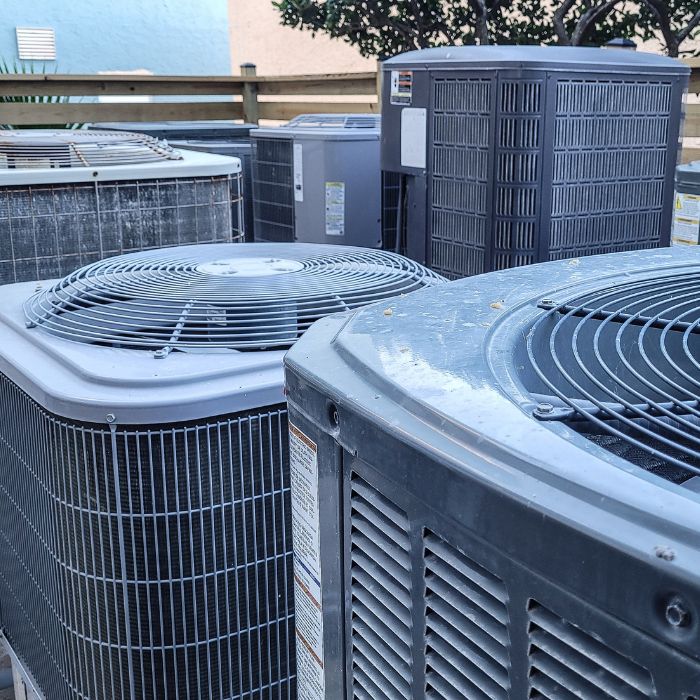
The HVAC Technician Program is built to help you develop the practical knowledge and hands-on skills needed to enter the heating, ventilation, and air conditioning field with confidence. Through focused training and real-world application, you’ll prepare for entry-level opportunities in an industry known for strong demand and competitive pay.

Access: Learn anytime with day and evening availability
Total Training Time: 100 hours
Completion Options:
This program prepares students to pursue the following industry-recognized credentials:
Self-Paced Instruction
Progress through coursework on a schedule that fits your lifestyle.
Hands-On Skill Building
Engage with demonstrations, simulations, and interactive exercises designed to reinforce practical skills.
Knowledge Checks
Quizzes and exams help track progress and reinforce learning throughout the course.
Applied Learning Approach
Guided drills, exercises, and assessments emphasize learning by doing, not just memorization.
Simulated Job-Site Scenarios
Train in immersive 3D environments that reflect real HVAC service situations.
Instruction Led by Industry Professionals
Learn from experienced instructors with real-world field knowledge.
Risk-Free Practice Environment
Develop skills safely through virtual hands-on training without job-site pressure.
Confidence Through Repetition
Build proficiency and confidence by practicing key tasks in realistic scenarios.
Module 1: HVAC Fundamentals
Introduces system concepts, safety practices, essential tools, and basic job-site calculations.
Module 2: HVAC Equipment & Systems
Covers heating and cooling equipment, routine maintenance, and introductory electrical concepts.
Module 3: Electrical Foundations
Explores wiring diagrams, meters, circuits, motors, thermostats, and electrical principles.
Module 4: Refrigeration Principles
Examines refrigerant behavior, system components, and troubleshooting fundamentals.
Module 5: System Evacuation & Charging
Focuses on compressors, leak detection methods, and proper charging techniques.
Module 6: Diagnostics & Troubleshooting
Addresses airflow issues, heat pump operation, and common HVAC system problems.
By completing this program, students develop the ability to recognize and work with key HVAC components, tools, and electrical elements used in residential and light commercial systems. Training introduces core safety standards, system operation, and maintenance fundamentals.
Students gain an understanding of refrigeration principles, including how heat, pressure, and temperature interact within HVAC systems. The program also covers different system types, heat pump functionality, compressor operation, and basic diagnostic methods.
Graduates leave with foundational troubleshooting skills for electrical circuits, motors, air conditioning units, and heat pump systems—preparing them for entry-level HVAC roles.
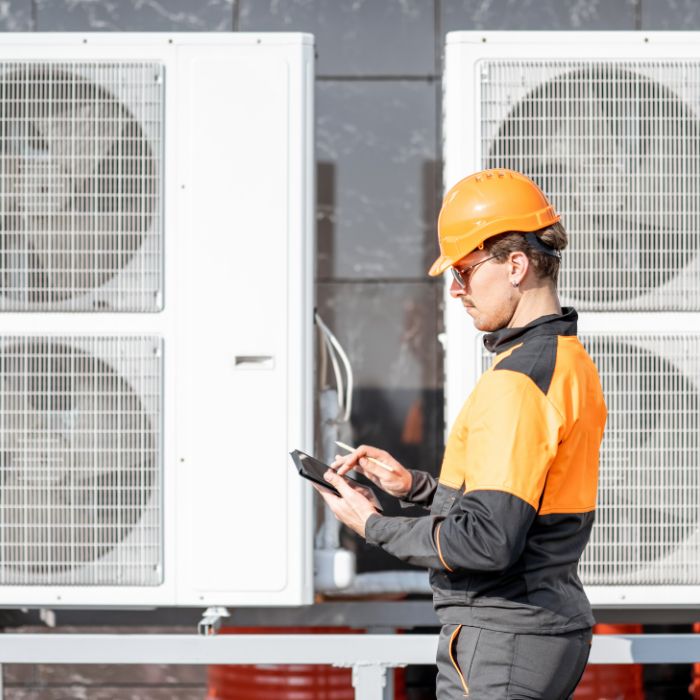
Source: 2024 U.S. Bureau of Labor Statistics
HVAC offers a strong combination of job security and earning potential. As demand for climate control, energy efficiency, and system upgrades continues to grow, employment for HVAC technicians is projected to increase by roughly 9% from 2023 to 2033.
Annual pay varies based on experience, certifications, location, and employer. Entry-level technicians may earn closer to $39,000, while experienced professionals and specialists can exceed $91,000 per year.
Data provided by the U.S. Bureau of Labor Statistics and updated annually to reflect current labor market trends.
Key Skills for Success in HVAC
Precision matters. Accurate measurements, correct wiring, and proper setup are critical to system performance and safety.
HVAC technicians must understand how mechanical, electrical, and refrigerant components interact to diagnose and resolve issues effectively.
Many HVAC calls are time-sensitive. Staying organized and moving efficiently between jobs helps keep systems running and customers satisfied.
Unexpected problems are part of the work. The ability to stay calm, focused, and solution-oriented is essential on the job.
The role involves lifting equipment, working in tight spaces, and standing for extended periods. Physical stamina supports both safety and productivity.