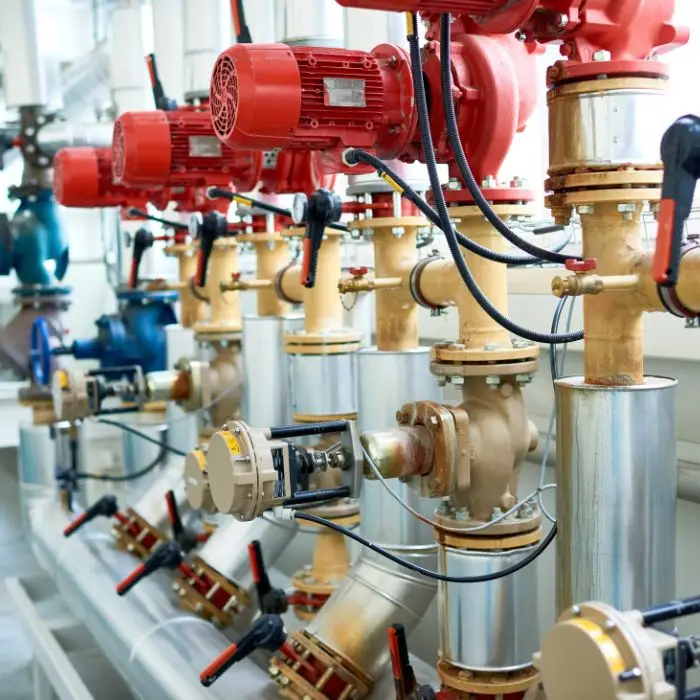
The Plumbing Technician Program is designed to help you develop practical, job-ready skills through immersive, hands-on learning. Using modern virtual training tools, this program prepares you to enter the plumbing field with confidence and foundational knowledge employers value.
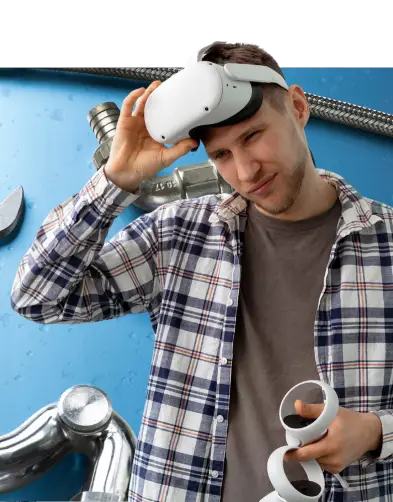
Course Access: 24/7 online availability
Total Training Time: 95 hours
Completion Options:
You control your pace and progress toward completion.
Graduates of the program are prepared to sit for the OSHA 10-Hour Construction Industry certification exam.
Self-Paced Coursework
Move through lessons on your own schedule with full flexibility.
Interactive Skill Practice
Develop hands-on abilities through demonstrations, simulations, and online activities.
Progress Tracking
Quizzes and exams reinforce learning and help measure understanding throughout the course.
Applied Learning Focus
Skill-based exercises, guided activities, and chapter reviews emphasize practical application.
Confidence Through Practice
Strengthen your skills using immersive tools that go beyond traditional classroom instruction.
Realistic Job Scenarios
Train in interactive 3D environments that reflect real plumbing tasks and challenges.
Unlimited Practice Opportunities
Refine techniques at your own pace in a controlled, virtual setting.
Instruction from Industry Professionals
Learn from experienced trades professionals who bring real-world insight to the training.
Module 1: Plumbing System Basics
Introduces core plumbing concepts, system types, installation principles, safety standards, essential tools, and job-site math.
Module 2: Core Plumbing Concepts
Covers common piping materials for water, drainage, and gas systems, plumbing codes, fixture removal, and fall-prevention practices.
Module 3: Pipe Joining & Leak Repair
Focuses on connecting plastic piping and repairing leaks in materials such as galvanized steel, copper, cast iron, and DWV piping.
Module 4: Fixtures & Plumbing Components
Explores fixture materials, installation techniques, trim selection, caulking methods, and the use of supports and fittings.
Module 5: Maintenance & Troubleshooting
Teaches system upkeep, drain cleaning, common toilet repairs, and solutions for typical kitchen sink issues.
Module 6: Electrical Concepts for Plumbing
Introduces basic electrical principles, safe work practices, and proper use of a multimeter in plumbing applications.
Module 7: Water Heater Fundamentals
Covers gas, electric, and tankless water heaters, including system components, installation methods, and maintenance procedures.
By the end of the program, students understand how different pipes, fittings, and fixtures function within plumbing systems. Training covers system operation, safety standards, and the essential tools used on the job.
Students gain experience with fixture installation, maintenance, and troubleshooting for common residential plumbing issues. The program also introduces electrical components related to plumbing systems and proper safety practices.
Graduates finish with foundational knowledge of water heater systems, routine maintenance techniques, and commonly applied plumbing codes—preparing them for entry-level plumbing technician roles.
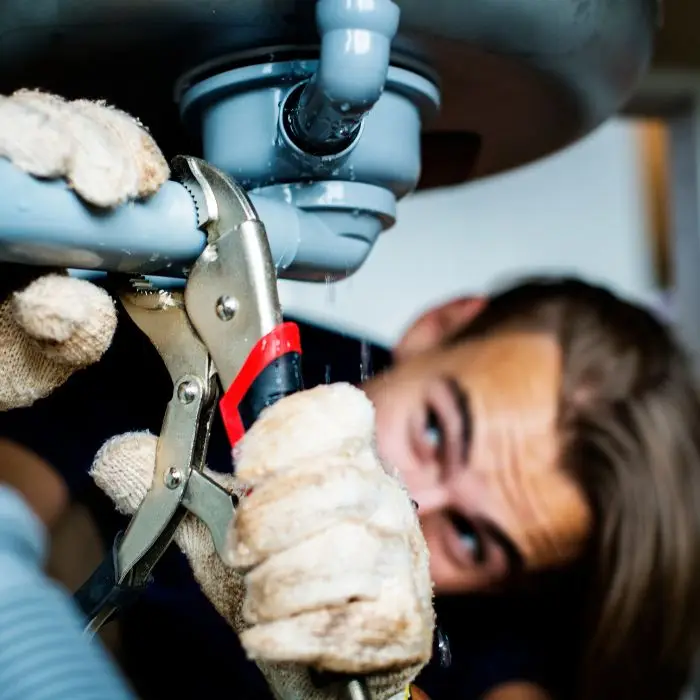
Plumbing continues to be a reliable and in-demand trade nationwide. Employment opportunities for plumbing technicians are projected to increase by approximately 6% between 2023 and 2033, reflecting ongoing demand for installation, maintenance, and repair services.
Earnings vary based on factors such as experience level, certifications, geographic location, and employer. While entry-level roles may start around $40,000 annually, experienced technicians can earn over $105,000 per year in higher-paying markets or specialized positions.
Wage and employment data is sourced from the U.S. Bureau of Labor Statistics and updated annually to reflect current industry trends.
Skills That Support Success in Plumbing
Plumbing work often involves lifting, kneeling, reaching, and working in confined spaces. Physical endurance and flexibility are important for staying safe and productive.
Timely response matters, especially during service calls where quick action can prevent further damage.
Working efficiently in tight spaces requires good hand-eye coordination and comfort using a variety of tools.
Unexpected issues are part of the job. Staying calm and focused helps ensure repairs are completed correctly.
Familiarity with plumbing-specific tools allows technicians to diagnose problems accurately and work with confidence.